Safety Education
Practical ways to prevent wandering, respond when someone goes missing, and support people with autism, developmental disabilities and dementia, gathered from our work and from trusted national organizations.
Wandering and Elopement
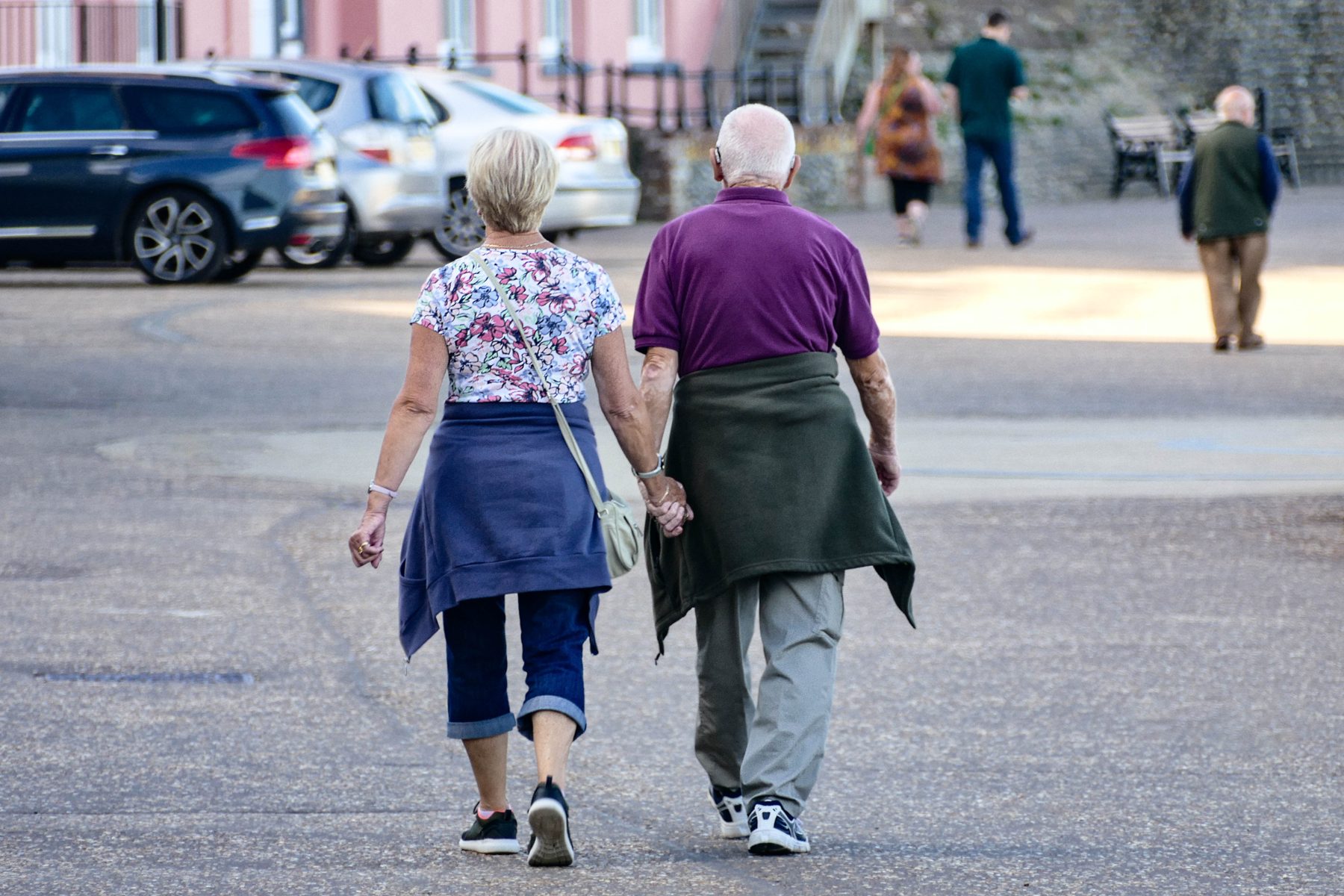
People with autism, developmental or cognitive disabilities, Alzheimer’s or another dementia are at higher risk of leaving a safe place. Drowning and traffic are the leading dangers when they do.
Elopement
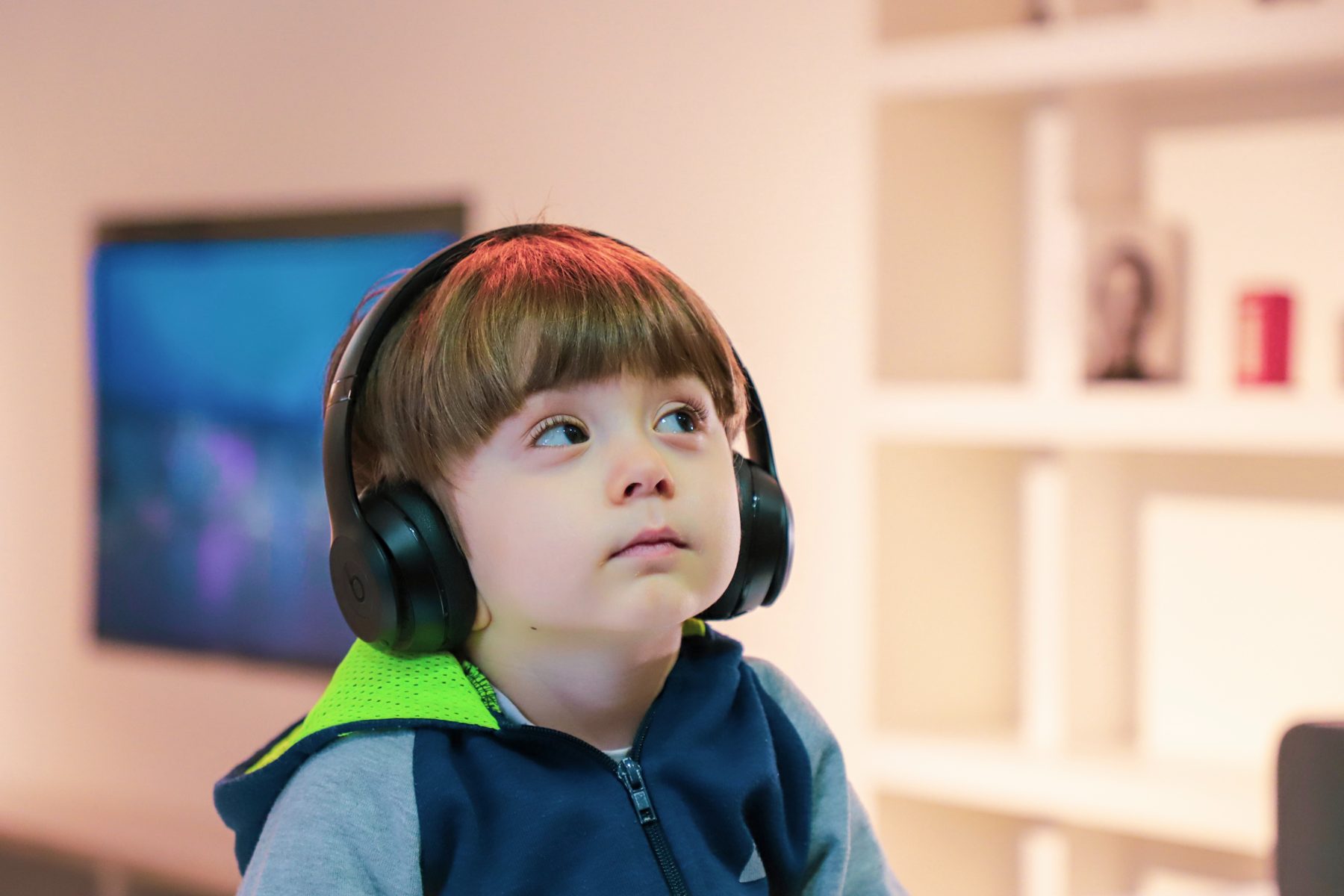
Leaving a safe or supervised place without permission, often quickly and with a purpose, without understanding the danger.
Wandering
Moving away from safety in a way that is often aimless or disoriented, common with memory loss.
Why It Happens
Getting Away From Too Much
Noise, crowds, lights or a stressful moment can feel overwhelming, and leaving is a way to escape it.
Going Toward Something
A favorite place, water, a train, an animal or anything of strong interest can draw a person away.
Memory Loss and Confusion
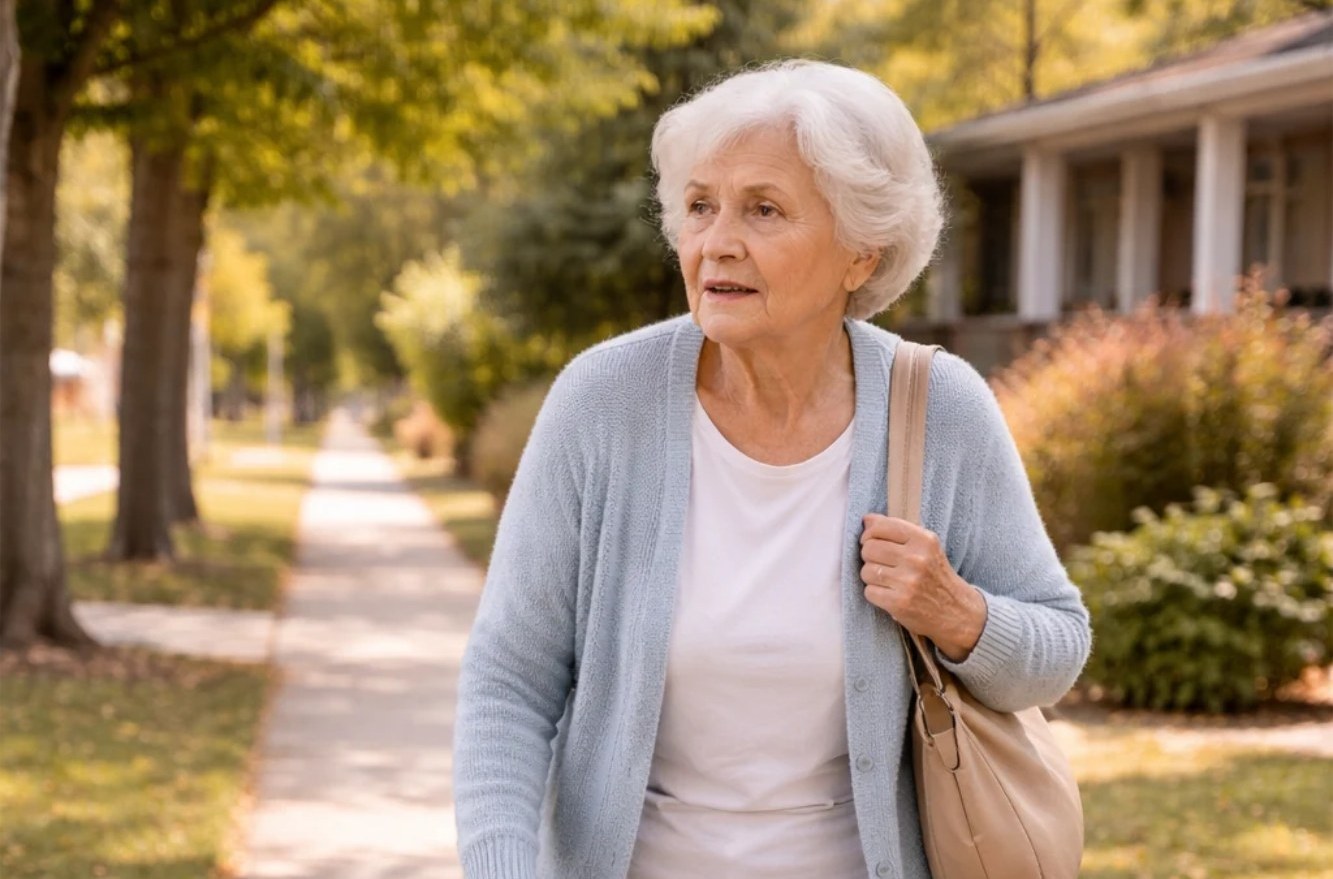
With dementia, a person may not recognize where they are, try to go to an old home or job, or get lost on a familiar route.
people living with dementia will wander at least once, according to the Alzheimer’s Association.
of people with autism are at risk of wandering from safety, according to national autism safety organizations.
When You Call 911
A few words during the call can change how responders approach you or your loved one. Here is what to say, what to have ready and what to do when help arrives.
What to Say
First, give the address of the emergency, your name and your phone number. Then say:
“I’m calling about my ______, who is registered with the S.A.V.E.S Project. Their participant number is ______.”
Calling for yourself? Say, “I’m registered with the S.A.V.E.S Project. My participant number is ______.” Say if anyone is hurt, and ask the dispatcher to share the number with responding officers.
Be Ready to Share
- How they communicate
- What upsets them, such as sirens or touch
- What calms them
- Medical needs, medications or allergies
- Whether they may run or hide
While You Wait
- Stay on the line and follow the dispatcher’s instructions.
- Have the Home Responder Sheet and a recent photo ready to hand to officers.
- If it’s safe, ask that sirens and lights be turned off near your home.
When Officers Arrive
- Meet them outside or at the door if you can, and give them the participant number.
- Tell them what is happening right now and what is helping keep the participant calm.
- Stay nearby as a familiar, calming voice, unless officers ask you to step back.
Afterward
- Update the profile in S.A.V.E.S CONNECT with anything new you learned, such as a new trigger, a calming tip that worked or a place they went.
If Someone Is Missing
Always call 911 first. You can always cancel if the person is found. Keep these steps where everyone in the home can find them.
Autism or a Developmental Disability
- ✓Call 911 right away. Do not wait to search first. You can always call back to cancel.
- ✓Search water first: pools, ponds, lakes, rivers and retention ponds, then busy roads and railroad tracks.
- ✓Ask responders whether a Wireless Emergency Alert can be sent to phones in the area.
- ✓Tell responders how the person communicates, what calms them, and places they love.
- ✓Give the S.A.V.E.S Project participant number so responders see the full profile.
Dementia or Alzheimer’s
- ✓Call 911 right away and say the person has dementia. Do not wait to search first. You can always call back to cancel.
- ✓While help is on the way, search the area right around where they were last seen. Most people who wander are found within about 1.5 miles.
- ✓Check ponds, tree lines, fence lines and brush, and places they have gone before.
- ✓People often wander in the direction of their dominant hand.
The First 15 Minutes
Search Close By While You Wait
- Check every room, closets, the basement, garage, sheds and cars.
- Have someone stay home in case they return.
- Check nearby water, roads and woods first.
Think About Where They Might Go
- Places they are drawn to, like water or trains
- A former home, school or workplace
- A favorite store, park or restaurant
- The direction they usually go
Have This Ready for Officers
- A recent photo and what they are wearing today
- Their participant number and Home Responder Sheet
- Medications, medical needs and any devices they rely on
- Whether they may be driving, and the vehicle, color and plate
After they are found, update their Wandering Profile in S.A.V.E.S CONNECT with where they went and how they got there. It helps responders find them faster next time.
Found someone who seems lost? Call 911, stay with them, and use Help a Participant if they carry a S.A.V.E.S Project ID.
Home Safety Checklist
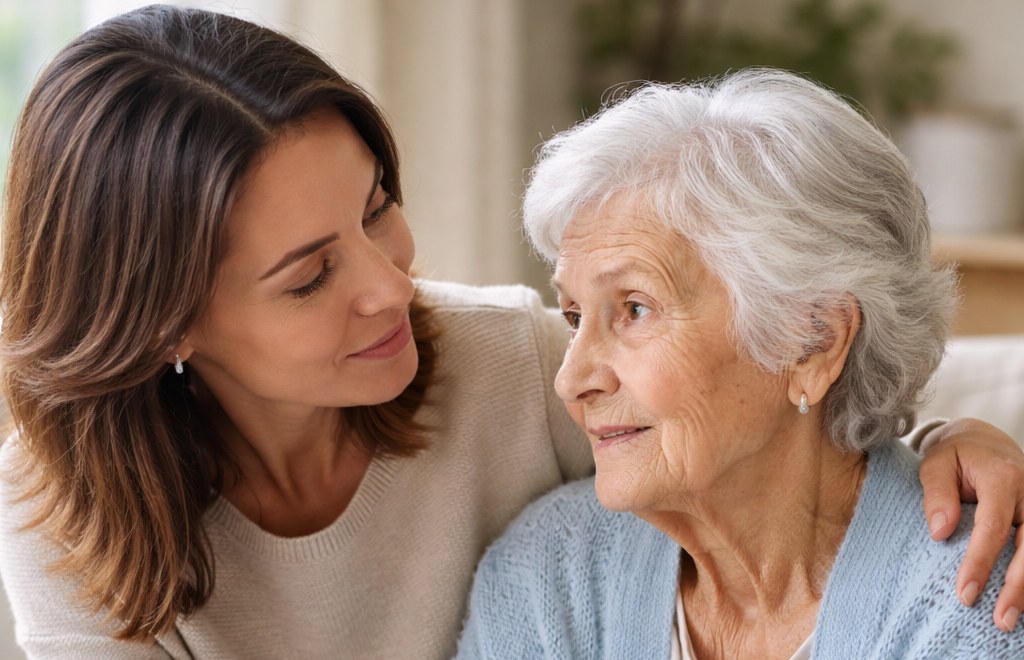
Small changes at home can prevent wandering, falls and other emergencies at any age. Walk through your home with this list and check off what you have in place.
Doors and Exits
- Chimes or alarms on outside doors
- Locks placed higher or lower than eye level
- Everyone can still get out fast in a fire
- Car keys and garage openers hidden
- Motion-sensor lights outside entrances
Outside the Home
- Pool, pond or hot tub fenced and gated
- Gate latches out of easy reach
- Yard checked for gaps in fencing
- House number easy to see from the street
- Neighbors know who may wander
Preventing Falls
- Night lights in halls and bathroom
- Rugs secured or removed
- Grab bars by the toilet and shower
- Clear paths with no cords or clutter
- Handrails on both sides of stairs
Fire and Hazards
- Stove knobs removed or auto shut-off
- Smoke and CO alarms tested monthly
- Medications and chemicals locked up
- Firearms locked and unloaded, ammunition stored separately
- Tools and sharp objects put away
Be Ready if Someone Wanders
- A current photo taken in the last 6 months
- S.A.V.E.S Project ID card, lanyard tag or QR sticker on everyday items
- Wandering Profile done in S.A.V.E.S CONNECT
- Home Responder Sheet on the fridge
- List of former homes and favorite places
Not Sure Where to Start?
Begin with outside doors and nearby water, the biggest risks for someone who wanders. Then work through the rest a little at a time.
These are best practices. Choose what fits your home and household. Never lock someone inside alone.
Water Safety
Many people with autism or cognitive impairments are drawn to water and may not understand the danger. Lakes, pools, rivers, retention ponds and even bathtubs carry risk.
- Close, constant supervision around any water
- Fences, locked gates, door alarms and wearable alerts to block unsupervised access
- Swim lessons and water-awareness training, as one layer of protection, not the only one
- Life jackets when near open water

Understanding Autism and Dementia
Knowing what someone may be experiencing helps everyone respond with patience.
Autism and Developmental Disabilities
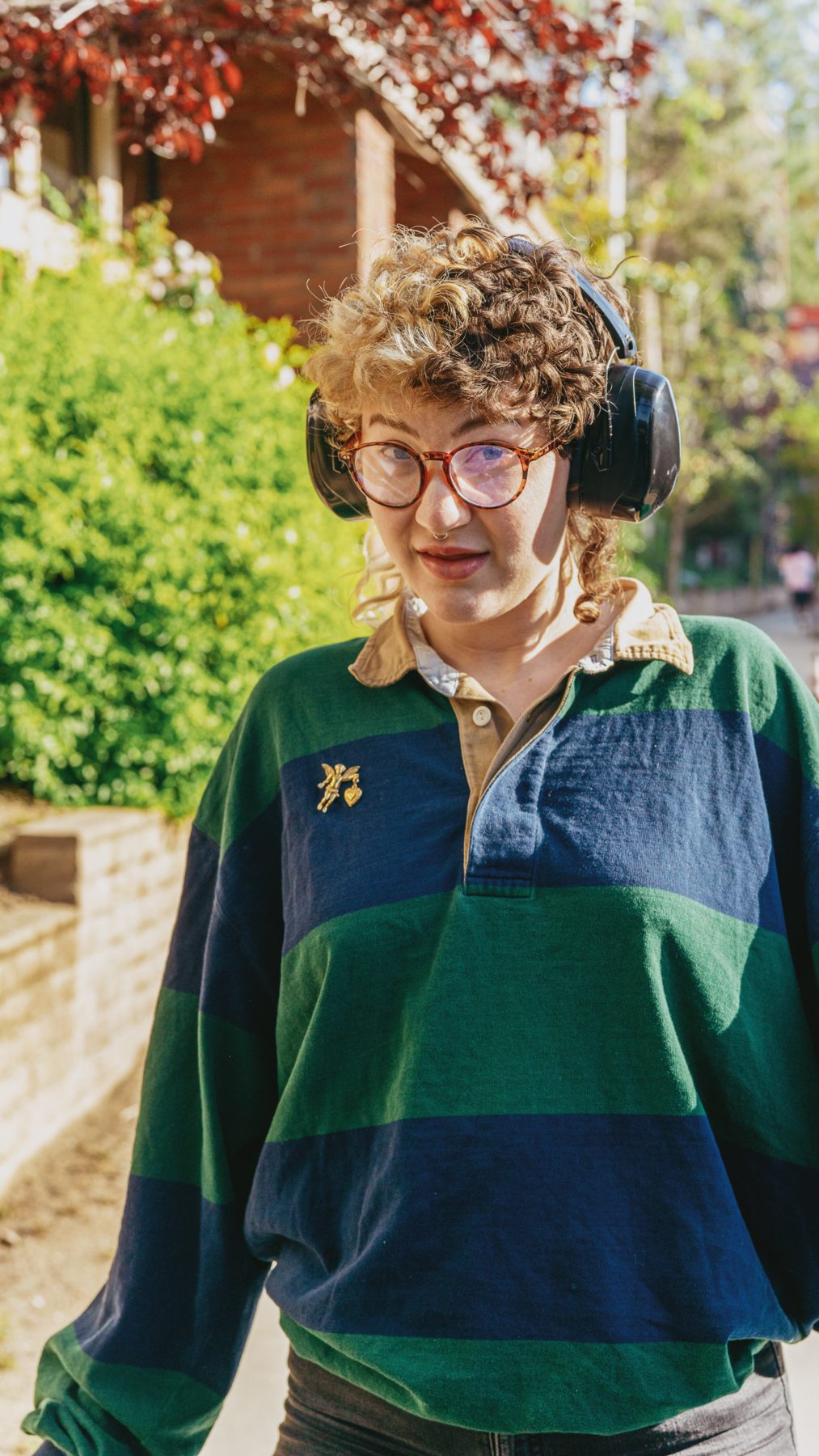
Developmental disabilities affect physical, learning, language or behavior skills. They begin early in life and usually last a lifetime. Examples include autism, Down syndrome, ADHD, fragile X syndrome, cerebral palsy and hearing loss.
A person may:
- ✓Not answer to their name or make eye contact
- ✓Be non-speaking or have trouble speaking when stressed
- ✓Cover their ears, rock, flap or repeat words to cope
- ✓Not understand danger or follow commands right away
Alzheimer’s and Dementia
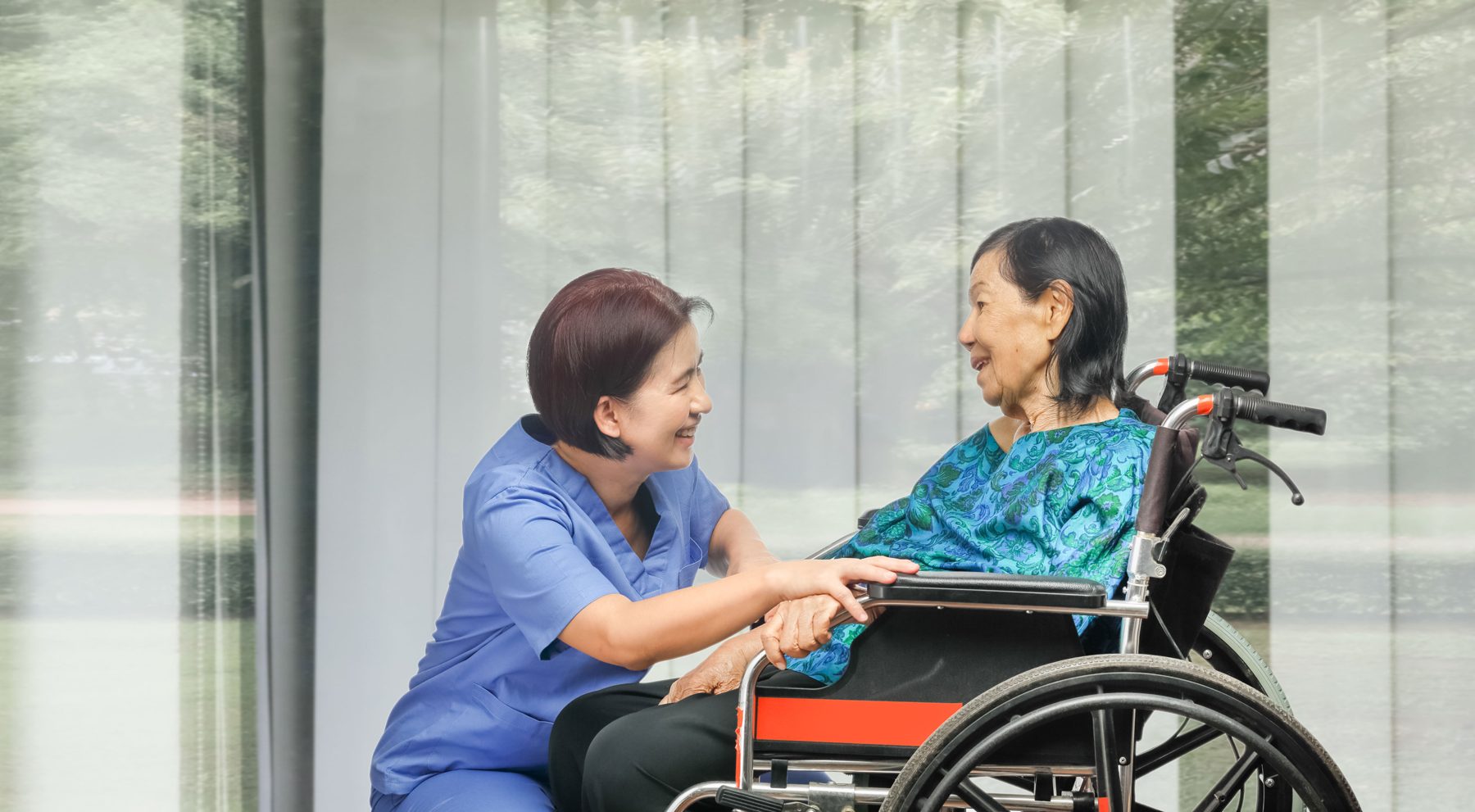
Dementia is a group of symptoms, not one disease. Alzheimer’s is the most common cause. Early on, memory changes can be subtle. Later, a person may not recognize family, lose track of time and place, or struggle with everyday objects.
Caregiving tips:
- ✓Stay calm, even when called the wrong name
- ✓Use photos and familiar objects to spark memories
- ✓Keep explanations short and never scold
- ✓Watch for restlessness in the late afternoon and evening
Travel Safety
New places can be exciting and overwhelming. A little preparation helps.
Carry ID
Use the S.A.V.E.S Project ID card, lanyard tag or QR stickers, plus an ID bracelet or GPS device if you have one.
Bring the Familiar
Pack comfort items and keep routines as steady as you can.
Plan the Day
Schedule breaks, avoid crowded or loud places when possible, and share plans with everyone traveling.
Prepare Them
Use visual schedules or social stories for autism. Carry a recent photo for someone with dementia.
Safety at Every Age
Scammers, driving changes and caregiver stress can affect anyone. Go over these tips on your own or with someone you trust.
Scam and Stranger Safety
Warning Signs of a Scam
- They say it’s urgent and you must act now
- They ask you to keep it a secret
- They want gift cards, wire transfers, payment apps or crypto
- They say a relative is in trouble and needs money
- They claim to be the government, bank or police
Never Give Out
- Social Security or Medicare number
- Bank or credit card numbers
- Passwords, PINs or codes sent to your phone
- Your address to a caller you don’t know
- Remote access to your computer
At the Door and Online
- Don’t open the door to strangers.
- Ask for ID, then call the company yourself.
- Don’t click links in unexpected texts or emails.
On the Phone
- It’s okay to hang up.
- Call back using a number you already know.
- Police never ask for gift cards.
Think you’ve been scammed? Call your police non-emergency line and your bank.
Driving Safety
Signs Driving May Not Be Safe
- Getting lost on familiar routes
- New dents or scrapes on the car
- Missing stop signs or lights
- Close calls, tickets or honking
For Drivers
- Keep the Blue Envelope on the sun visor.
- Put the S.A.V.E.S Project decal in the lower left corner of the back window.
- Talk with a doctor about any concerns.
- Missing driver? Give 911 the car and plate.
Taking Care of the Caregiver
Caring for a loved one is meaningful work, and it can be exhausting. You don’t have to do it alone. Taking care of yourself helps you take care of them.
Signs You May Need Support
- Feeling tired, overwhelmed or short-tempered
- Trouble sleeping or eating
- Pulling away from friends and activities
- Worrying about your loved one all the time
Small Ways to Recharge
- Accept help when it’s offered
- Take short breaks, even 15 minutes
- Keep your own doctor visits
- Talk with someone who understands
Who would care for your loved one if you were sick, hurt or away? Write it down and tell them. Need help finding support? Just ask us.
For First Responders
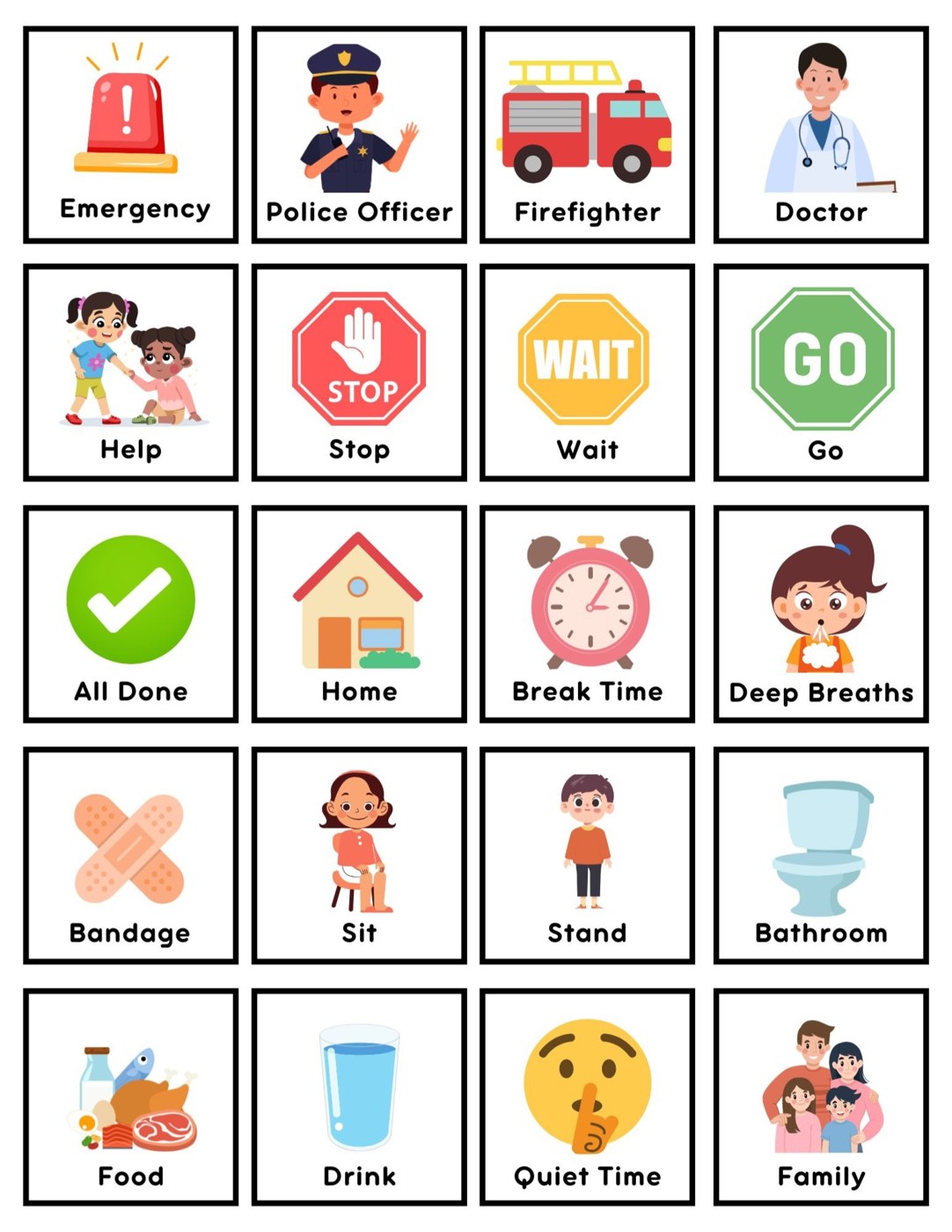
Quick reminders for calls involving a person with autism, a developmental disability or dementia. Picture cards like these help someone who can’t speak in the moment point to what they need.
Check the Database
Look for a S.A.V.E.S Project ID and enter the participant number in S.A.V.E.S RESPONDER.
Slow Down
When safe, reduce lights and sirens, approach calmly, and give extra space and time.
Keep It Simple
Use short, clear words, one question at a time, and wait for an answer. Silence is not defiance.
Search Water First
For a missing person with autism, send resources to nearby water, roads and rail lines right away.
Trusted Resources
Organizations we rely on for safety information. These links open their websites.
National Autism Safety Council
Free education, training and toolkits to prevent injury, wandering and drowning for autistic children and adults.
Visit WebsiteAlzheimer’s Association
Safety guidance for home, wandering, driving and travel, plus support for caregivers.
24/7 Helpline: 800-272-3900
Visit WebsiteMedicAlert Safe & Found
A wandering support program for people living with dementia, created with the Alzheimer’s Association.
Visit WebsiteNational Autism Association
Practical safety resources for families, educators and first responders, including the Big Red Safety Box.
Visit WebsiteNational Center for Missing & Exploited Children
Autism resources for caregivers and free training for law enforcement, including Search Water First.
Visit WebsiteCDC: Autism Wandering Is an Emergency
What families and first responders should do the moment a person with autism goes missing.
Visit WebsiteThis page is for general education and does not replace advice from a doctor or your local emergency services. In an emergency, always call 911.
Keep Your Loved One Safer
Enrollment puts emergency contacts and what helps them in the hands of trained responders. Taking part is always free.